Seven-check guide
Do Fat Burners Work? 7 Checks Using LipoFlow as a Case
Do fat burners work? Seven buyer checks on claims, amounts and refund terms help you compare any weight support supplement, including LipoFlow, before you buy.
Written by the Lipo-flow editorial teamMedically reviewed by Dr. Caroline Apovian, MD, PhysicianReviewed and updated · 9 min read
Key facts about fat burners
- "Fat burner" is a sales label for supplements marketed for weight. Our sources do not give it a medical definition.
- NCCIH's finding on weight supplements it studied: none shown effective.
- Lasting loss rests on eating well, cutting calories and moving more, in NIH ODS's account.
- The FTC calls "lose weight without dieting or exercising" and "lose 30 pounds in 30 days" false claims.
- Caffeine herbs can raise heart rate. Hundreds of weight-loss products were found by FDA labs to hide the drug sibutramine.
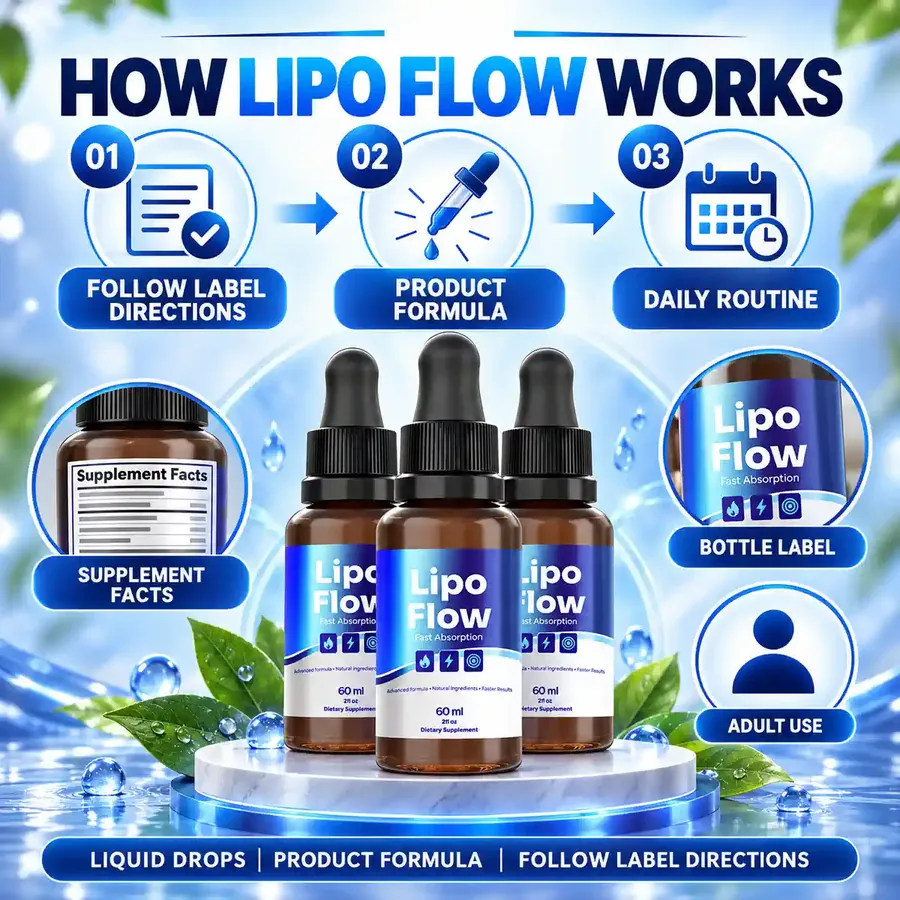
- Lipo Flow is not sold as a fat burner on its label. It makes no weight claim, and no trial of it exists.
- The CDC's lasting pace is a steady 1 to 2 pounds a week, earned through food and activity.
Checklist
What are the 7 checks to run on any fat burner?
Use the same seven checks whether the product is a drop, a pill, a gummy or a drink. They take ten minutes and they work on the label, not on the marketing.
Read the promise
Pounds by a date, effortless loss or "works for everyone" are on the FTC's list of false claims (FTC: the truth behind weight loss ads). A modest, honest label is a better sign than a loud one.
Ask for human proof
Look for trials of the product or of its doses in people. Testimonials and before-and-after photos do not count as proof under FTC guidance (FTC: health claims need trials).
Compare the dose with the research
A long ingredient list with a small serving is a warning. Lay each printed amount next to the amount used in studies.
Find the caffeine number
Many fat burners lean on caffeine. A label that hides it asks you to guess against the FDA's 400 mg a day reference (FDA: how much caffeine is too much).
Check who is behind it
Hidden drugs have turned up in weight products. A named distributor, a phone number and a traceable checkout lower that risk (FDA: 6 tip-offs to health fraud).
Test the reviews
Real products draw mixed opinions. A burst of perfect scores is a flag (FTC: how to evaluate online reviews).
Read the exit
Written refund terms, read before you pay, matter more than the phrase "risk free."
Basics
What is a fat burner, and how is it supposed to work?
The term is a marketing label. It covers supplements sold for weight, often built from a few familiar ingredients: caffeine sources such as guarana or green tea, minerals such as chromium, pepper extracts, plant roots and amino acids. The idea behind the label is that these will nudge the body to use more energy or eat less.
Research tests those ideas one ingredient at a time. A fat burner is then a bundle of ingredients, each with its own small or missing record. That is why the next section looks at what studies found rather than what labels imply.
Evidence
Do fat burners work? What does the research on common ingredients say?
Here are six ingredients often sold for weight, with what NIH sources report. None of these trials tested a finished fat burner. They tested single ingredients, usually at doses well above what a small serving holds.
| Ingredient | What the research found |
|---|---|
| Green tea (catechins and caffeine) | Fourteen trials pooled: roughly 0.95 kg extra loss versus placebo, and no significant effect in trials outside Japan (NIH ODS: green tea and liver safety) |
| Chromium | Twenty-one trials pooled: roughly 0.75 kg extra loss versus placebo, described as small (NIH ODS: chromium fact sheet) |
| African mango | Few, small, short trials by the same authors (NIH ODS: African mango) |
| Coleus forskohlii | Three small trials at 500 mg daily saw body weight stay the same (NIH ODS: Coleus forskohlii) |
| Capsaicin (chili pepper) | Lowered intake in one trial, but body weight did not change (NIH ODS: capsaicin) |
| Raspberry ketones | Studied in people only inside mixes; evidence insufficient (NIH ODS: raspberry ketone) |
Add it up and the pattern is clear: small effects at best, none at worst, and thin evidence for the rest. NCCIH's overall verdict is the same (NCCIH: weight control).
If you still want to test a productLipo Flow's order page lists the packs and shows the 60-day guarantee. Read the terms, then decide.
See today's price and guaranteeThis website is run by a USA authorized retailer, not by the manufacturer. We earn money when you buy through our order links.
Without effort
Can a fat burner replace diet changes and exercise?
The honest answer from regulators is no. The FTC lists "lose weight without dieting or exercising" among claims that are false (FTC: the truth behind weight loss ads). NIH ODS describes healthy eating, fewer calories and more activity as the foundation of lasting loss (NIH ODS: lifestyle is the basis).
So a fat burner at best sits beside habits. It cannot replace them. If an ad suggests you can keep your routine and still lose weight, that is the clearest red flag in the whole category.
Safety
Are fat burners safe?
Safety depends on the product, and no blanket answer is honest. Two risks run through the category. The first is caffeine. NCCIH cautions that heavy caffeine or caffeine-bearing herbs can quicken the pulse and upset heart rhythm (NCCIH: weight control). The second is contamination: hidden drugs such as sibutramine have been found in hundreds of weight-loss products (FDA: 6 tip-offs to health fraud).
Individual ingredients add their own cautions: green tea extract and the liver, licorice and blood pressure, and chromium or ginseng and blood sugar medicine. Because supplements get no approval before sale, your own checks and a talk with your doctor carry extra weight (FDA: supplements are not pre-approved).
For one worked example, see our Lipo Flow side effects guide.
Legit or scam
Are fat burners real, legit or a scam?
The product on the shelf is usually real. The doubt is about what it does. Treat "is this fat burner a scam" as three separate questions: does the seller exist, is the label honest, and is the promise believable.
A scam usually fails the third test. The FDA's tip-offs to health fraud include quick fixes, "all natural" promises, sure-thing results and glowing testimonials (FDA: 6 tip-offs to health fraud). If a fat burner passes the first two tests and makes modest claims, it may still be disappointing, but it is less likely to be a trap.
Value
Are fat burners worth the money?
Weigh price against evidence. A product that costs about $1.63 to $2.63 a day, as Lipo Flow does at two droppers, is buying you a routine and a small, unproven formula. The value is in convenience and in how the bottle fits your habits, not in a measured result.
If weight matters for your health, a doctor's plan will probably do more than any drop. Some adults qualify for approved medicines, which NIDDK says add roughly 3% to 12% more loss than lifestyle change alone after a year. The threshold is a BMI of 30, or 27 with a weight-related condition (NIDDK: prescription weight-loss medicines).
Benefits
What are the benefits of fat burners?
Fat burner benefits come in two kinds. The first kind is practical: a product can give you a simple daily habit, a reminder to eat well and a label to read. Some people like that structure, and it is a fair reason to buy.
The second kind is the promised kind: faster fat loss, more energy, a quicker metabolism. Those are the benefits the research has not shown. NCCIH found none of the weight supplements studied to be effective (NCCIH: weight control). Count the first kind and doubt the second.
Belly and metabolism
Do fat burners boost metabolism or target belly fat?
Searches for a belly fat burner or a metabolism booster assume a product can pick where weight comes off or speed up the body on command. Our sources show no ingredient proven to do either. Lipo Flow's label makes no claim about belly fat or metabolism.
What the sources do show is the slow route: 1 to 2 pounds a week, from food and activity, is the pace most likely to last (CDC: losing weight). Shedding even 5% of body weight is enough to help blood pressure, cholesterol and blood sugar.
Lipo Flow
Where does Lipo Flow fit among fat burners?
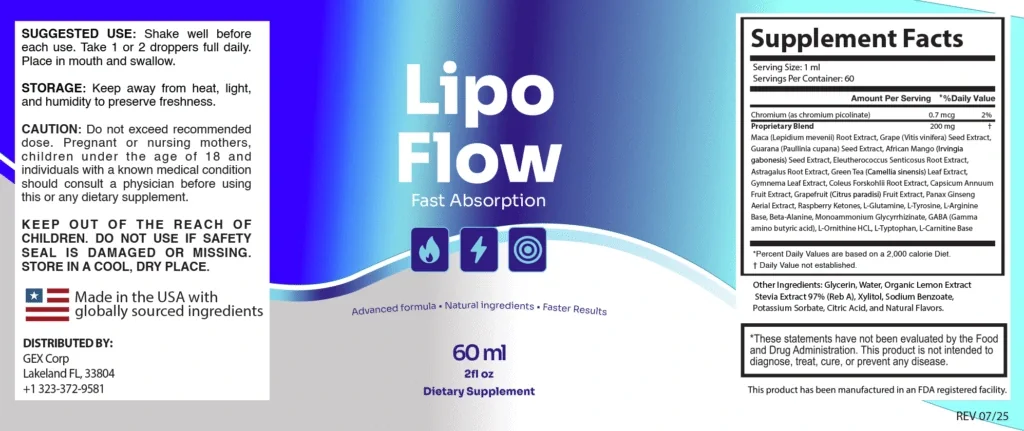
Lipo Flow is liquid drops whose label claims no result. Its seven-check profile is mixed. It names every blend ingredient and has written terms. It hides single amounts inside a 200 mg blend, prints no caffeine number and has no trial.
Our does Lipo Flow work guide runs the same logic on it in detail, and our buyer's checklist covers the wider market.
FAQ
Frequently asked questions
Do fat burners work?
Not reliably. NCCIH says none of the weight supplements studied has been shown to be effective (NCCIH: weight control). Single ingredients showed small or no effects at doses larger than most products hold.
What does a fat burner do?
It is marketed to help the body use more energy or eat less. The research on its usual ingredients shows small effects at best. The term is a sales label, not a medical category.
Do fat burners work without exercise?
The FTC lists weight loss without dieting or exercise among false claims (FTC: the truth behind weight loss ads). NIH ODS names eating, calories and activity as the basis of lasting loss (NIH ODS: lifestyle is the basis).
Are fat burners safe?
It depends on the product. Caffeine can raise heart rate, some ingredients carry liver or blood sugar cautions, and hidden drugs have been found in weight products. Ask your doctor, especially if you take medicine.
Are fat burners a scam?
Some products are, and the FDA lists the warning signs: quick fixes, sure-thing results, testimonials (FDA: 6 tip-offs to health fraud). A product with a modest label, a named seller and written refund terms is less likely to be a trap.
Are fat burners worth it?
Only if you value the routine and accept that the effect is unproven. A doctor's plan may do more for health-driven weight goals. Judge cost per day against proof, not against promises.
Is the Lipo Flow supplement a fat burner?
Lipo Flow is a liquid dietary supplement, and its label makes no weight claim. People often search for it next to fat burners, so this page applies the same seven checks to it as to any other product.
Are fat burner drops like Lipo Flow safer than pills?
Format alone does not decide safety or results. Check the label for amounts, caffeine sources and cautions in either form. Lipo Flow drops are one example you can score with the seven checks on this page.
How do I choose a fat burner supplement?
Compare the ingredient list, the printed amounts, the claims on the label, the maker and the refund terms. The seven checks on this page cover each of these.
Bottom line
Our view
The fat burner category sells hope in small bottles. The research behind its usual ingredients is thin, the claims are often louder than the proof, and the risks are real but manageable if you read the label and buy from a traceable seller.
Our advice is to use the seven checks, put habits first, and treat any product as a time-limited test. Speak to your doctor if weight is a health concern or if you take medicine. Nothing on a label replaces that conversation.
Treat it as a testIf you try Lipo Flow, keep the log, count your caffeine and keep food, movement and sleep first.
See today's price and guaranteeThis website is run by a USA authorized retailer, not by the manufacturer. We earn money when you buy through our order links.
Last updated . This page is general information, not medical advice. Your own doctor or pharmacist can speak to your health and your medicines.
Who wrote this
Written and reviewed by
Last updated . Read our editorial standards and how we check reviews. This website is run by a USA authorized retailer, not by the manufacturer. We earn money when you buy through our order links.
Keep reading
More about Lipo Flow
Choosing a weight supplement
Eight checks for any weight supplement, from proprietary blends to fake reviews, with Lipo Flow scored fairly.
Read moreHealthy weight guide
The CDC pace, the 5% health target, the 5-7% diabetes figure and when prescription care makes sense, in plain words.
Read more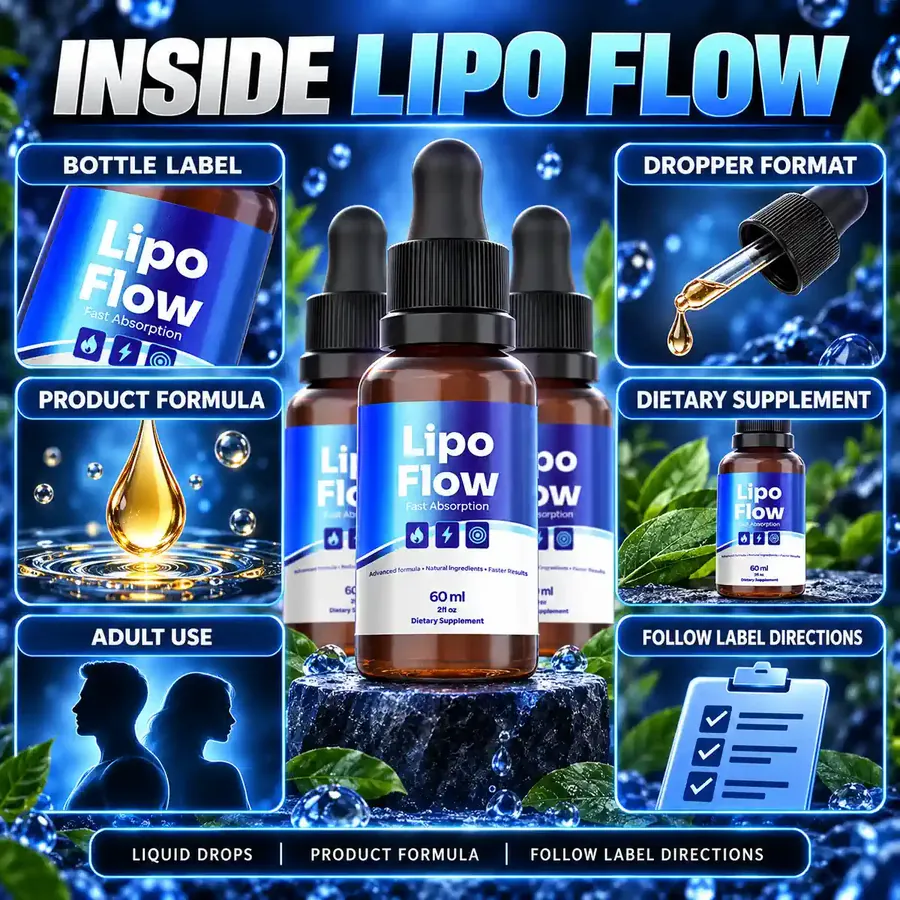
Side effects
Ingredient-by-ingredient risks, warning signs to stop, the xylitol rule for dog owners and how to report a reaction.
Read more