Health guide
Healthy Weight Guide: A Safe Pace, Real Health Gains and When to Get Help
The CDC says losing about 1 to 2 pounds a week is the pace most likely to last, and dropping just 5% of your weight can improve blood pressure, cholesterol and blood sugar. NIH calls lifestyle change the basis of long-term loss. Lipo Flow is not a weight-loss medicine and makes no weight claim.
Written by the Lipo-flow editorial teamUpdated
Pace
How fast is it healthy to lose weight?
Roughly 1 to 2 pounds weekly. The CDC says people who lose weight at that pace are more likely to keep it off (CDC: losing weight).
Slow can feel frustrating. Over 12 weeks, though, that steady pace adds up to 12 to 24 pounds, which is more than many people need to see health changes.
| Time | At 1 lb a week | At 2 lb a week |
|---|---|---|
| 4 weeks | 4 lb | 8 lb |
| 12 weeks | 12 lb | 24 lb |
| 26 weeks | 26 lb | 52 lb |
Faster is not better. Dropping over 3 pounds weekly for several weeks running can bring on gallstones, per the FTC (FTC: Gut Check weight-loss claims).
Health gains
How much weight loss improves your health?
Less than most people think. Five percent is the number to remember.
A 5% loss can improve blood pressure, cholesterol and blood sugar, the CDC says; for a 200-pound person that is 10 pounds (CDC: losing weight). NIDDK adds that losing 5% to 7% may prevent or delay type 2 diabetes (NIDDK: health risks of overweight).
| Starting weight | 5% (CDC health gains) | 7% (top of NIDDK diabetes range) |
|---|---|---|
| 150 lb | 7.5 lb | 10.5 lb |
| 200 lb | 10 lb | 14 lb |
| 250 lb | 12.5 lb | 17.5 lb |
| 300 lb | 15 lb | 21 lb |
NIDDK also reports that losing 3% to 5% may reduce liver fat (NIDDK: health risks of overweight).
Why it matters
Why does extra weight matter for health?
Extra weight matters mainly through blood sugar, blood pressure, cholesterol and the liver. Those are the measures the CDC and NIDDK say can improve with modest loss (CDC: losing weight) (NIDDK: health risks of overweight).
Blood sugar
A 5% to 7% loss may delay or prevent type 2 diabetes. Ask your doctor whether an A1C test makes sense for you.
Heart numbers
Blood pressure and cholesterol can both improve after a 5% loss. Those numbers are easy to recheck at a routine visit.
Liver fat
Even 3% to 5% may lower the fat stored in the liver, according to NIDDK.
Weight is one number among many. Your doctor reads it together with your labs, family history and how you feel.
The basis
What actually drives lasting weight loss?
Food and movement, by NIH's account, not pills or drops.
NIH ODS names healthy eating, fewer calories and physical activity as the foundation (NIH ODS: lifestyle is the basis). Products, drops and plans can only sit on top of that. Four habits make the idea practical.
- 01
Set a 5% target
Multiply your weight by 0.05. That is the first goal the CDC links to better blood pressure, cholesterol and blood sugar.
- 02
Eat a little less
Fewer calories and healthier food choices are the core of the plan NIH describes.
- 03
Move most days
Physical activity is the other half of the lifestyle change NIH calls the basis of lasting loss.
- 04
Weigh once a week
Aim for 1 to 2 pounds a week. Faster than 3 pounds a week for several weeks deserves a doctor's look.
Supplements
Can a supplement help you lose weight?
The evidence says no supplement reliably does. NCCIH reports that of the weight-loss supplements studied, none have been shown to be effective (NCCIH: weight control).
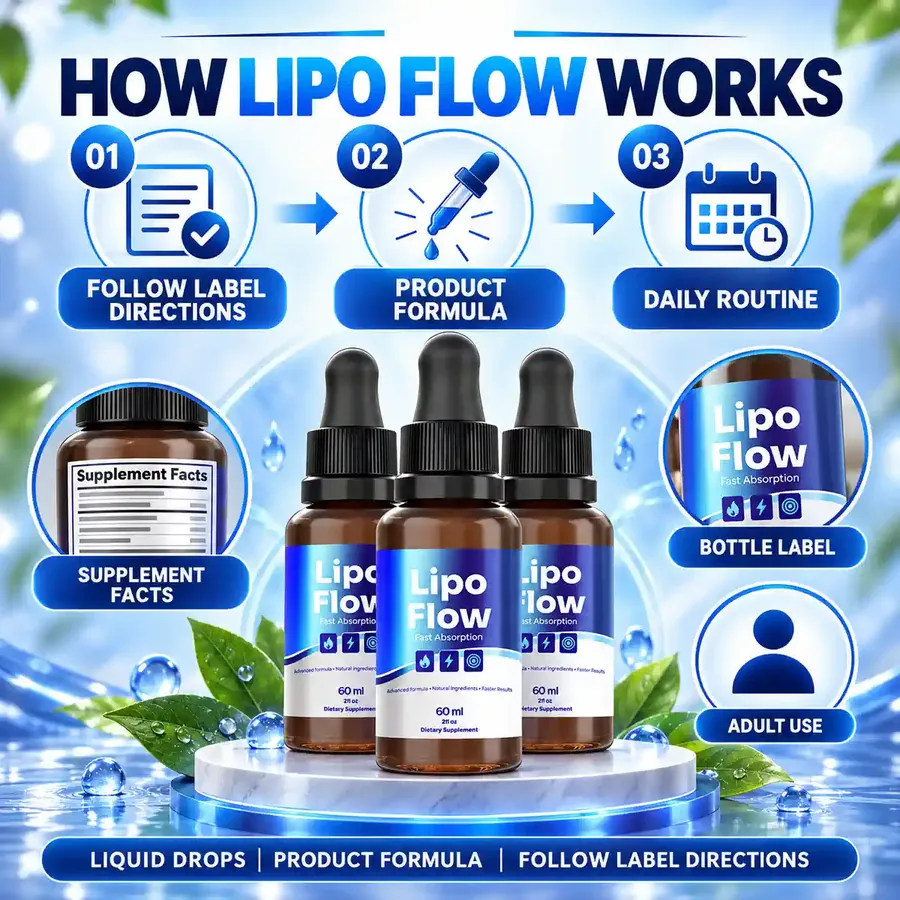
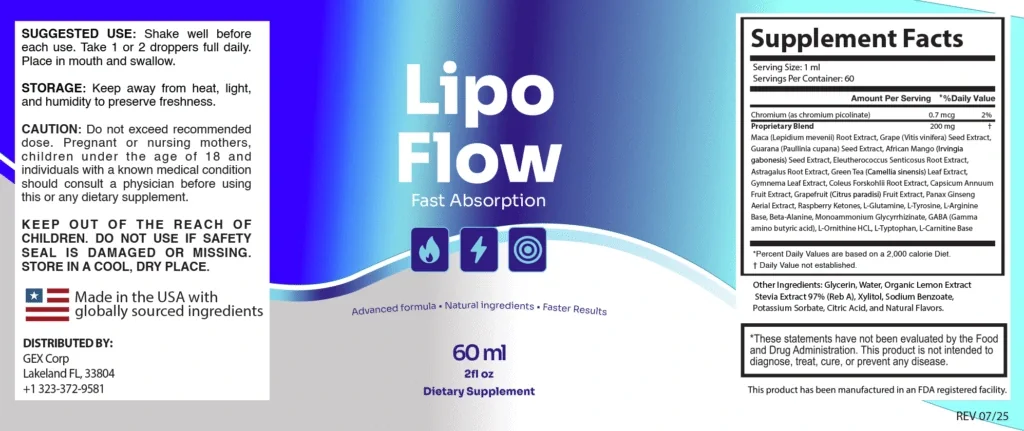
Lipo Flow is a dietary supplement, not a weight-loss medicine. The order page makes no weight claim, and neither do we. The bottle's "Faster Results" line never says results of what, so treat it as marketing wording.
If you choose to take it, see it as an optional extra to a food and activity plan, never a stand-in. Our weight supplement buyer's checklist shows how to judge any product, this one included.
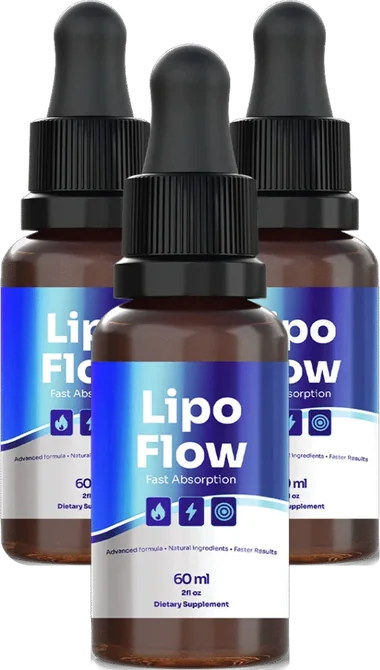
Try Lipo Flow for 60 days1-2 droppers a day · from $49 a bottle · free U.S. shipping on 3+ bottles
Order nowMedical care
When are prescription weight-loss medicines an option?
Approved medicines exist for adults with a BMI of 30 or more, or 27 or more with a weight-related condition. NIDDK says they add about 3% to 12% weight loss over a lifestyle program alone at one year (NIDDK: prescription weight-loss medicines).
| Who may qualify | BMI 30+, or BMI 27+ with a weight-related condition |
|---|---|
| Examples named by NIDDK | Orlistat, Qsymia, Contrave, Saxenda, Wegovy, Zepbound |
| Added effect | 3% to 12% more weight loss than lifestyle alone at one year |
| How you get them | A prescription after a medical review |
| Where Lipo Flow fits | It does not; it is a supplement sold without review (FDA: supplements are not pre-approved) |
A prescription is not a sign of failure. It is one more tool a doctor can weigh with you.
Five numbers
Which numbers should you remember?
Red flags
What are the red flags in a weight-loss plan?
Any plan that promises speed without effort is a red flag. The FTC lists "lose weight without dieting or exercising" and "lose 30 pounds in 30 days" as claims that are simply false (FTC: the truth behind weight loss ads).
Signs of a sound plan
- Aims for 1 to 2 pounds a week
- Changes what and how much you eat
- Adds regular movement
- Involves your doctor if you have a condition
Signs to walk away
- Promises a set number of pounds by a date
- Says no diet or exercise is needed
- Claims it works for everyone
- Pushes losing more than 3 pounds a week
Losing weight without trying is not a win. Book a checkup if the scale drops and you do not know why.
Next steps
Where should you go from here?
Start with a doctor's visit if you have a health condition or a large goal. Then set your 5% target and track it weekly.
- Read what to expect week by week on the Lipo Flow results timeline.
- Check your medicines on Lipo Flow and medicines.
- Compare evidence for single ingredients on the ingredients overview.
FAQ
Healthy weight guide FAQ
How many pounds a week is a healthy weight loss?
About 1 to 2 pounds a week. The CDC says people who lose weight gradually at that pace are more likely to keep it off (CDC: losing weight). The FTC warns that losing more than 3 pounds a week for several weeks can raise the risk of gallstones (FTC: Gut Check weight-loss claims), so faster is not safer.
How much weight do I need to lose to improve my health?
Often only 5% of your starting weight. The CDC says a 5% loss, about 10 pounds for a 200-pound person, can improve blood pressure, cholesterol and blood sugar (CDC: losing weight). NIDDK adds that 3% to 5% may reduce liver fat (NIDDK: health risks of overweight).
Can losing weight prevent type 2 diabetes?
It can help. NIDDK says losing at least 5% to 7% of your starting weight may prevent or delay type 2 diabetes (NIDDK: health risks of overweight). For a 220-pound adult, that is roughly 11 to 15 pounds. Ask your doctor about testing if you have risk factors.
Is Lipo Flow a weight-loss medicine?
No. These drops are sold as a dietary supplement, so they are neither a drug nor a weight-loss medicine. Their order page makes no weight-loss claim, and this site makes none either. NCCIH says none of the studied weight-loss supplements has been shown to be effective (NCCIH: weight control). Diet, activity and medical care do the real work.
Do weight-loss supplements work?
Not reliably. NCCIH concludes that none of the supplements studied have been shown effective for weight loss (NCCIH: weight control). NIH ODS calls lifestyle change the basis for long-term loss (NIH ODS: lifestyle is the basis). A supplement may fit a routine you enjoy, but expect your plate and your step count to decide the outcome.
Who qualifies for prescription weight-loss medicine?
Adults with a BMI of 30 or more, or 27 or more with a weight-related health condition, may qualify, according to NIDDK (NIDDK: prescription weight-loss medicines). Approved options include orlistat, Wegovy and Zepbound. They add about 3% to 12% loss over lifestyle changes alone at one year.
When is it time to see a doctor about weight?
See a doctor before starting if you have a health condition or take medicine, and any time you lose weight without trying. A doctor can check blood pressure, cholesterol and blood sugar, set a safe target and tell you whether you qualify for prescription care (NIDDK: prescription weight-loss medicines).
Who wrote this
Written and reviewed by
A small team that reads the bottle label line by line, checks every number against public health sources (NIH ODS, NCCIH, CDC, NIDDK, FDA, FTC) and rewrites it in plain English. We do not write for the manufacturer, and we update a page whenever the label, the prices or the evidence changes.
Last updated . Read our editorial standards and how we check reviews. This website is run by a USA authorized retailer, not by the manufacturer. We earn money when you buy through our order links.
Keep reading
More about Lipo Flow
Choosing a weight supplement
Eight checks for any weight supplement, from proprietary blends to fake reviews, with Lipo Flow scored fairly.
Read more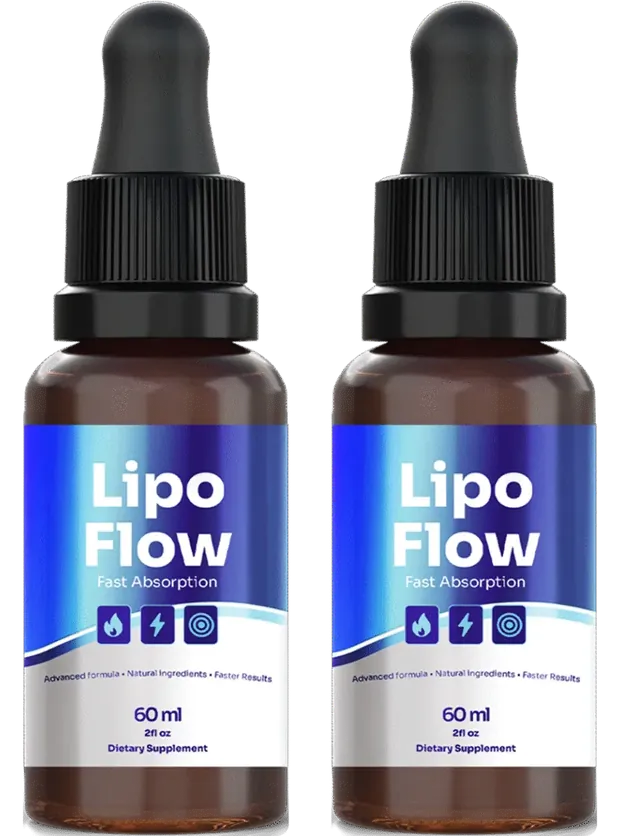
Results timeline
What a fair 12-week test looks like, how to log it, and the signs that mean stop and call a doctor.
Read moreMedicines and Lipo Flow
A medicine-by-medicine table of sourced Lipo Flow interactions and the exact questions to ask your pharmacist.
Read moreUSA authorized Lipo Flow retailer
Ready to try Lipo Flow?
Pick a pack. At two droppers a day every pack lasts at least 60 days, the whole money-back window.
- Secure checkout
- 60-day money-back guarantee
- Ships from the U.S.